
GIE Associate Editor Shivangi T. Kothari, MD, FACG, FASGE, highlights this article from the September issue: “Role of prophylactic antibiotics in patients undergoing endoscopic ultrasound–directed transgastric interventions in Roux-en-Y gastric bypass and endoscopic ultrasound gastroenterostomy” by Tina Boortalary, MD, et al.

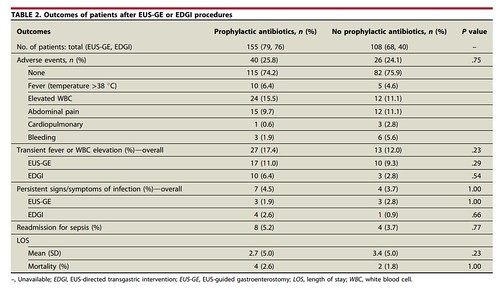
This is the first multicenter study to directly evaluate the role of prophylactic antibiotics in EUS-directed transgastric interventions and EUS-guided gastroenterostomy, addressing an important area in which practice remains highly variable and poorly standardized because of limited evidence. In 263 patients across 7 tertiary centers, prophylactic antibiotics (used in 58% of patients) were not associated with significantly lower rates of transient or persistent signs of infection, length of stay, or readmission. This cohort was compared with a substantial no-antibiotic comparator group.
I recommend this article because it addresses a common, clinically relevant question in the field of therapeutic EUS and challenges a practice that has largely been extrapolated from other procedures, such as pancreatic fluid collection drainage, rather than being supported by evidence specific to the procedure. The findings encourage thoughtful antibiotic stewardship and remind the endoscopist to reconsider routine antibiotic prophylaxis while appropriately highlighting the need for prospective randomized data before routine endoscopic practice is changed.
Routine prophylactic antibiotics were not associated with lower rates of transient or persistent signs of infection, need for readmission within 14 days, or length of stay after EUS-directed transgastric interventions or EUS-guided gastroenterostomy in this retrospective multicenter cohort. Infectious outcomes were similar even in patients with ascites, although this subgroup was small. This retrospective study should not be read as definitive evidence to abandon prophylaxis in every patient; however, it provides a strong rationale for a prospective noninferiority randomized trial and more selective, evidence-based antibiotic use.
Read the full article online.
The information presented in Endoscopedia reflects the opinions of the authors and does not represent the position of the American Society for Gastrointestinal Endoscopy (ASGE). ASGE expressly disclaims any warranties or guarantees, expressed or implied, and is not liable for damages of any kind in connection with the material, information, or procedures set forth.

